

- Home
- Vertical

- Products
- Company
- Support


Credit Report Red Flags: Common Errors That Hurt Your Score and How to Fix Them
Published:
03rd November, 2025
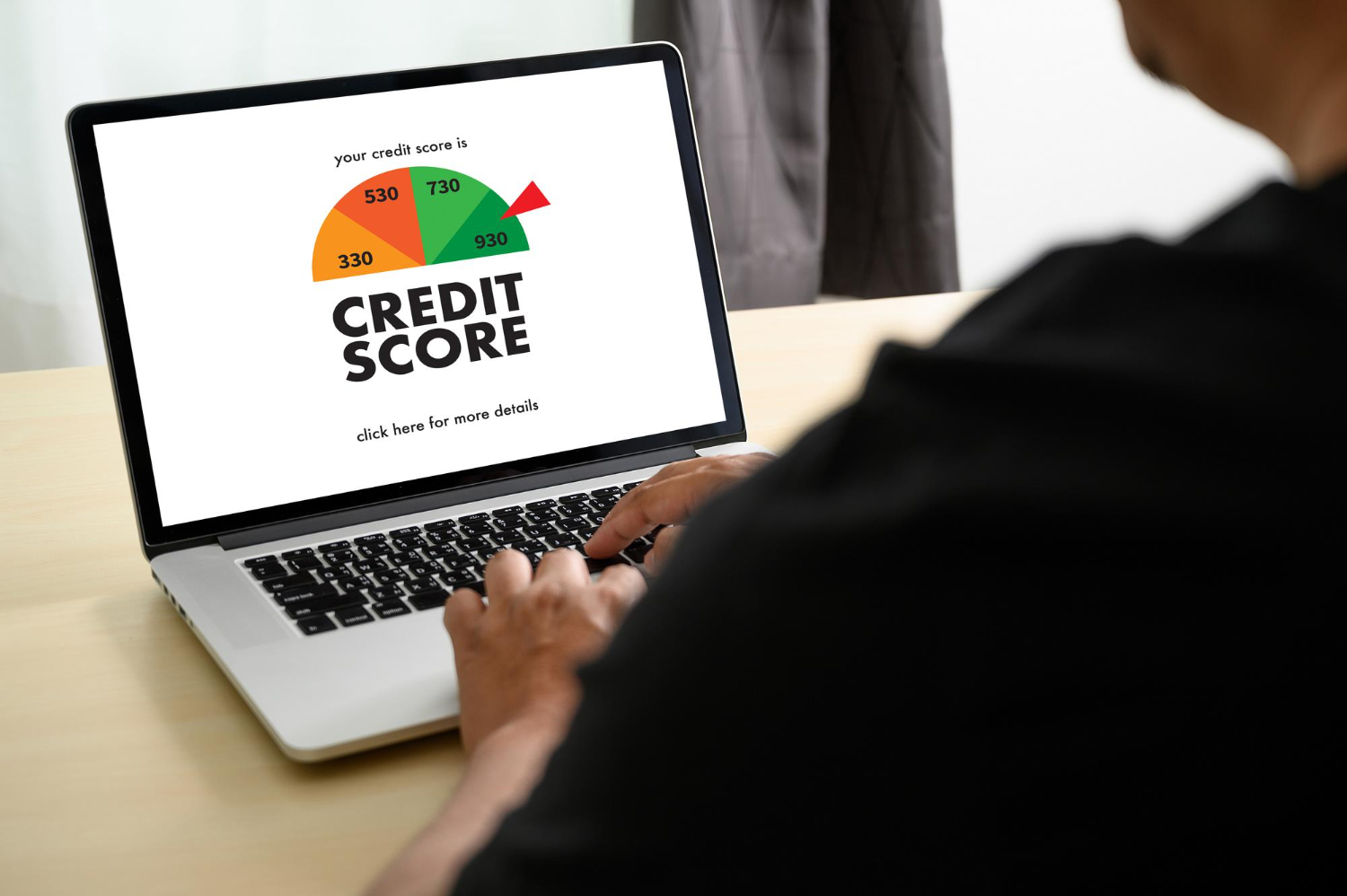
Your credit report is your financial autobiography. It’s the document that lenders—whether you’re applying for a business loan or a simple credit card—use to decide if you are trustworthy, what interest rate they will charge you, and whether they will approve your application at all.
For most borrowers, the credit score (or CIBIL score) is the only focus. However, the score is merely a result. The real power lies in the detailed credit report, where even simple errors or outdated information can act as a major red flag, causing a sudden loan rejection.
The good news is that these errors are often fixable. This guide will help you understand the most common mistakes found on Indian credit reports, the damaging impact they have, and the step-by-step process you must follow to get them rectified before you apply for your next loan. Checking and cleaning your report is the most important preparatory step you can take.
Part 1: The Major Red Flags That Hurt Your Score
These are the most frequent and damaging errors found on credit reports that signal high risk to lenders, even when the mistake is not your fault.
1. Accounts Marked as “Settled” or “Written-Off” When Paid
This is perhaps the biggest red flag. When you settle a loan, it means the lender accepted less than the full amount. This status is viewed severely by lenders and stays on your report for up to seven years.
- The Error: You paid the loan in full, but the lender failed to update the status to “Closed” or “Paid.” Instead, it still shows as “Settled” or “Default.” This error can instantly cause rejection for large credit products like a Loan Against Property.
- The Impact: Signals to the lender that you are a financial risk and were unable to meet the full terms of the agreement.
2. Closed Accounts Still Showing as “Active”
When an account you have paid off still shows as active, it artificially inflates your Debt-to-Income (DTI) ratio and your Credit Utilization Ratio (CUR).
- The Error: After paying off a Vyapari Loan or credit card, the lender failed to report the closure to the credit bureau.
- The Impact: Lenders believe you have more outstanding debt than you actually do, making you ineligible for the new loan or pushing you into a higher interest bracket due to perceived high debt burden.
3. Incorrect Days Past Due (DPD) Status
Your DPD is a numerical code showing how late your payment was (e.g., ‘000’ is on-time; ‘030’ is 30 days late). Even one incorrect late payment can drastically drop your score.
- The Error: You made a payment on time, but due to a banking error or a processing delay, the lender reported it as ‘030’ or ‘060’ DPD.
- The Impact: Payment history is the most important factor in your score (35% weight). An incorrect DPD makes you look financially irresponsible and causes a severe drop in your score.
Part 2: Minor Errors with Major Consequences
While these errors might seem small, they can trigger a data mismatch and prevent a digital loan application from being automatically approved, leading to delays and potential rejection.
1. Duplication of Loan Entries
Sometimes, the same loan is reported twice by the same lender or by two different lenders (e.g., the original lender and a purchasing partner).
- The Error: Your loan appears with two different account numbers or the loan amount is reported twice.
- The Impact: It artificially doubles your reported debt, significantly increasing your DTI ratio and hurting your score.
2. Mismatched or Incorrect Personal Information
Mistakes in your name, date of birth, or address can cause massive headaches.
- The Error: A spelling mistake in your name (e.g., ‘Sharma’ instead of ‘Verma’), an outdated phone number, or a wrong date of birth.
- The Impact: Lenders cannot match the information on your loan application with the information on your credit report. This triggers a verification failure and often leads to the rejection of fast, digital loans, such as a Small Business Loan, because the system cannot confirm your identity.
3. Unauthorised Hard Inquiries
A hard inquiry is when a lender checks your credit report because you applied for a loan. Too many hard inquiries in a short period signal to lenders that you are “credit-hungry” or desperate for money.
- The Error: An unknown bank or financial institution runs a hard inquiry on your report, often due to identity theft or a promotional check.
- The Impact: Multiple hard inquiries within 6-12 months can temporarily lower your score and are a major red flag for lenders.
Part 3: Step-by-Step Guide: How to Fix Errors Now
You have the legal right to dispute and correct errors on your credit report. The key is to start the process before you apply for a loan, as dispute resolution can take time.
Step
Action
Why It’s Crucial
1. Get & Review Your Report
Obtain your full credit report from a bureau (like CIBIL, Equifax, or Experian). Review every account, line-by-line, for the red flags mentioned above.
You can’t fix what you don’t know is broken. Do this 3-6 months before your loan application.
2. Gather Supporting Evidence
Collect documents that prove the error. For an account wrongly marked “Active,” get the No Objection Certificate (NOC) and final payment receipt from the bank.
The credit bureau cannot make changes without documentary proof from you or the original lender.
3. Raise a Dispute Online
Visit the official website of the credit bureau that reported the error. Log in (or register) and navigate to the Dispute Resolution Center.
This is the official channel. Clearly explain the error, the correct information, and upload your supporting documents.
4. Follow Up with the Lender
Simultaneously contact the lender (bank/NBFC) that supplied the incorrect data. Ask them to verify the corrected information and report it to the credit bureau.
The credit bureau acts as a middleman; the lender is the only one who can formally approve the data change.
5. Monitor the Resolution
Disputes typically take 30 to 45 days to resolve. Check the dispute status on the bureau’s website. Once resolved, immediately download your updated report.
Ensure the error is fully removed and the change is reflected accurately across all sections.
Part 4: Proactive Habits to Maintain a Clean Report
A clean report is built on disciplined habits. Don’t wait for errors to appear; prevent them.
- Never Settle: Always prioritize paying loans in full. If you face hardship, contact your lender immediately to negotiate a restructuring or temporary deferment, but avoid the “Settled” status at all costs.
- Download and Check Regularly: Check your credit report at least once every six months, even when you’re not planning to borrow. Early detection of a fraudulent account or a data error saves immense stress later.
- Verify Closure: When you fully repay any loan (like a Small Business Loan), always get the official NOC from the lender and check your credit report 45 days later to confirm the status is updated to “Closed.”
- Limit Hard Inquiries: Research and compare loan options thoroughly before applying. Only apply to the single best-suited lender to avoid multiple hard inquiries that damage your score.
By actively managing your credit report, you take control of your financial destiny, ensuring that when the right growth opportunity arises, your clean credit health acts as a powerful approval stamp.
Your credit report is your financial autobiography. It’s the document that lenders—whether you’re applying for a business loan or a simple credit card—use to decide if you are trustworthy, what interest rate they will charge you, and whether they will approve your application at all.
For most borrowers, the credit score (or CIBIL score) is the only focus. However, the score is merely a result. The real power lies in the detailed credit report, where even simple errors or outdated information can act as a major red flag, causing a sudden loan rejection.
The good news is that these errors are often fixable. This guide will help you understand the most common mistakes found on Indian credit reports, the damaging impact they have, and the step-by-step process you must follow to get them rectified before you apply for your next loan. Checking and cleaning your report is the most important preparatory step you can take.
These are the most frequent and damaging errors found on credit reports that signal high risk to lenders, even when the mistake is not your fault.
1. Accounts Marked as “Settled” or “Written-Off” When Paid
This is perhaps the biggest red flag. When you settle a loan, it means the lender accepted less than the full amount. This status is viewed severely by lenders and stays on your report for up to seven years.
- The Error: You paid the loan in full, but the lender failed to update the status to “Closed” or “Paid.” Instead, it still shows as “Settled” or “Default.” This error can instantly cause rejection for large credit products like a Loan Against Property.
- The Impact: Signals to the lender that you are a financial risk and were unable to meet the full terms of the agreement.
2. Closed Accounts Still Showing as “Active”
When an account you have paid off still shows as active, it artificially inflates your Debt-to-Income (DTI) ratio and your Credit Utilization Ratio (CUR).
- The Error: After paying off a Vyapari Loan or credit card, the lender failed to report the closure to the credit bureau.
- The Impact: Lenders believe you have more outstanding debt than you actually do, making you ineligible for the new loan or pushing you into a higher interest bracket due to perceived high debt burden.
3. Incorrect Days Past Due (DPD) Status
Your DPD is a numerical code showing how late your payment was (e.g., ‘000’ is on-time; ‘030’ is 30 days late). Even one incorrect late payment can drastically drop your score.
- The Error: You made a payment on time, but due to a banking error or a processing delay, the lender reported it as ‘030’ or ‘060’ DPD.
- The Impact: Payment history is the most important factor in your score (35% weight). An incorrect DPD makes you look financially irresponsible and causes a severe drop in your score.
While these errors might seem small, they can trigger a data mismatch and prevent a digital loan application from being automatically approved, leading to delays and potential rejection.
1. Duplication of Loan Entries
Sometimes, the same loan is reported twice by the same lender or by two different lenders (e.g., the original lender and a purchasing partner).
- The Error: Your loan appears with two different account numbers or the loan amount is reported twice.
- The Impact: It artificially doubles your reported debt, significantly increasing your DTI ratio and hurting your score.
2. Mismatched or Incorrect Personal Information
Mistakes in your name, date of birth, or address can cause massive headaches.
- The Error: A spelling mistake in your name (e.g., ‘Sharma’ instead of ‘Verma’), an outdated phone number, or a wrong date of birth.
- The Impact: Lenders cannot match the information on your loan application with the information on your credit report. This triggers a verification failure and often leads to the rejection of fast, digital loans, such as a Small Business Loan, because the system cannot confirm your identity.
3. Unauthorised Hard Inquiries
A hard inquiry is when a lender checks your credit report because you applied for a loan. Too many hard inquiries in a short period signal to lenders that you are “credit-hungry” or desperate for money.
- The Error: An unknown bank or financial institution runs a hard inquiry on your report, often due to identity theft or a promotional check.
- The Impact: Multiple hard inquiries within 6-12 months can temporarily lower your score and are a major red flag for lenders.
You have the legal right to dispute and correct errors on your credit report. The key is to start the process before you apply for a loan, as dispute resolution can take time.
| Step | Action | Why It’s Crucial |
|---|---|---|
| 1. Get & Review Your Report | Obtain your full credit report from a bureau (like CIBIL, Equifax, or Experian). Review every account, line-by-line, for the red flags mentioned above. | You can’t fix what you don’t know is broken. Do this 3-6 months before your loan application. |
| 2. Gather Supporting Evidence | Collect documents that prove the error. For an account wrongly marked “Active,” get the No Objection Certificate (NOC) and final payment receipt from the bank. | The credit bureau cannot make changes without documentary proof from you or the original lender. |
| 3. Raise a Dispute Online | Visit the official website of the credit bureau that reported the error. Log in (or register) and navigate to the Dispute Resolution Center. | This is the official channel. Clearly explain the error, the correct information, and upload your supporting documents. |
| 4. Follow Up with the Lender | Simultaneously contact the lender (bank/NBFC) that supplied the incorrect data. Ask them to verify the corrected information and report it to the credit bureau. | The credit bureau acts as a middleman; the lender is the only one who can formally approve the data change. |
| 5. Monitor the Resolution | Disputes typically take 30 to 45 days to resolve. Check the dispute status on the bureau’s website. Once resolved, immediately download your updated report. | Ensure the error is fully removed and the change is reflected accurately across all sections. |
A clean report is built on disciplined habits. Don’t wait for errors to appear; prevent them.
- Never Settle: Always prioritize paying loans in full. If you face hardship, contact your lender immediately to negotiate a restructuring or temporary deferment, but avoid the “Settled” status at all costs.
- Download and Check Regularly: Check your credit report at least once every six months, even when you’re not planning to borrow. Early detection of a fraudulent account or a data error saves immense stress later.
- Verify Closure: When you fully repay any loan (like a Small Business Loan), always get the official NOC from the lender and check your credit report 45 days later to confirm the status is updated to “Closed.”
- Limit Hard Inquiries: Research and compare loan options thoroughly before applying. Only apply to the single best-suited lender to avoid multiple hard inquiries that damage your score.
By actively managing your credit report, you take control of your financial destiny, ensuring that when the right growth opportunity arises, your clean credit health acts as a powerful approval stamp.
Share On :
Popular Blogs

20th September, 2026
MSME Definition and Classification: What Size Business Qualifies for MSME Loan
Discover the MSME definition and classification to find if your business qualifies for an MSME loan. Learn about MSME eligibility and the differences between government and lender criteria.

14th September, 2026
Home Loan Processing Fees: An Essential Guide for Buyers
Discover what home loan processing fees cover, if they're refundable, and how they impact your loan. Trust Credit Saison India for clear upfront lending.
Share On :

Products
Download Credit Saison India App


Follow us on


Credit Saison India is the trade name of Kisetsu Saison Finance (India) Private Limited (CIN: U65999KA2018FTC113783), a non-banking finance company (NBFC) registered with the RBI.
Registered Office Address:
IndiQube Lexington Tower, First Floor, Tavarekere Main Rd, Tavarekere,
S.G. Palya, Bengaluru, Karnataka 560029
- Investors
- Partners
- Insurance Partners
- Collection Agency
- Regulatory
- CS Japan

- Saison International
- © Kisetsu Saison Finance (India) Private Limited 2026.
© Kisetsu Saison Finance (India) Private Limited 2026.