

- Home
- Vertical

- Products
- Company
- Support


EMI Strategy: Setting Up a Loan Repayment Schedule That Works with Your Cash Cycle
Published:
03rd November, 2025
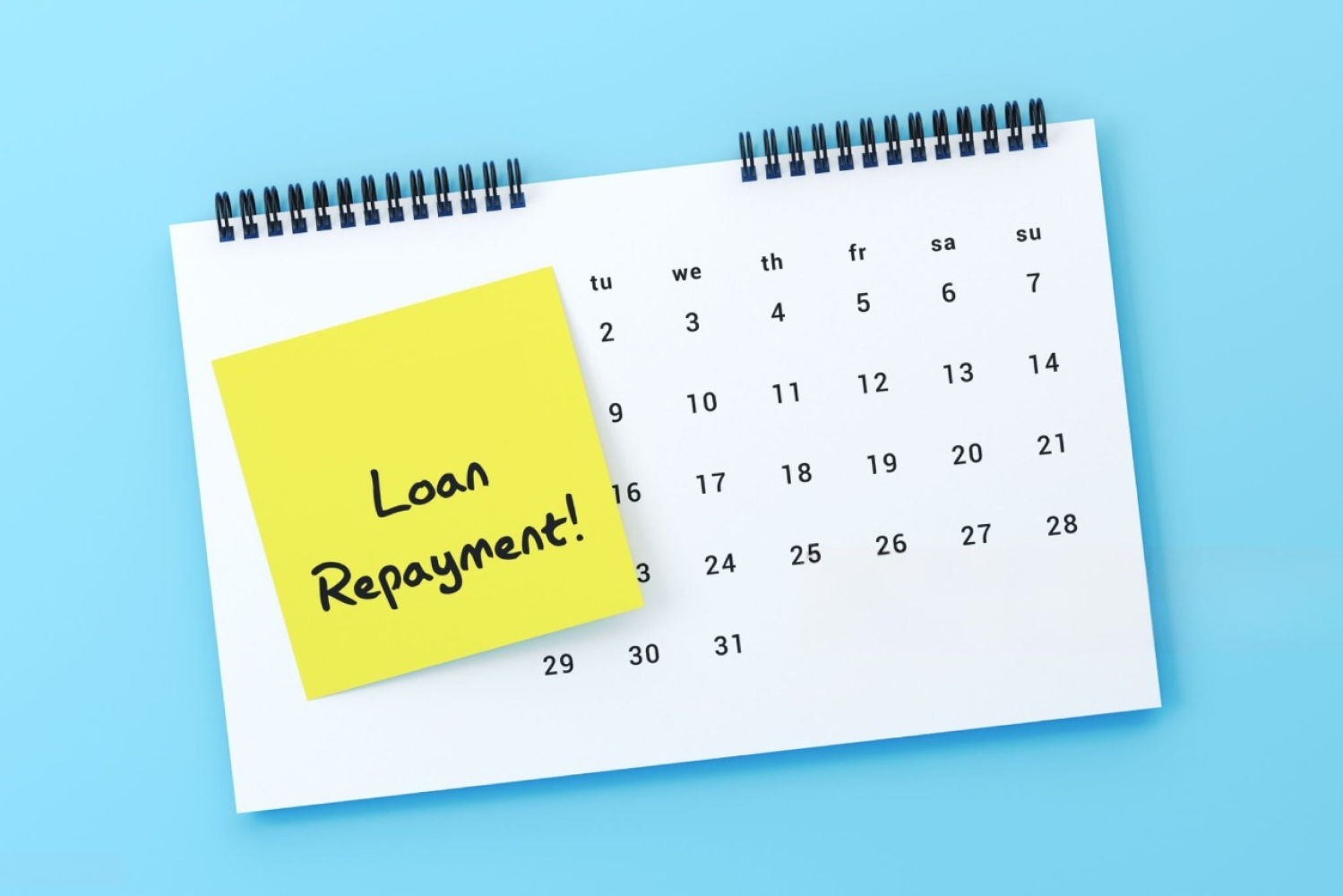
For small and medium-sized businesses (SMEs) across India, timing is everything. You know exactly when your biggest bills are due, when your largest payments from customers arrive, and when your cash reserves are at their highest and lowest. This ebb and flow of money is your cash cycle, and it is the single most important factor in your business’s financial health.
When you take out a loan, the repayment schedule—your Equated Monthly Installment (EMI) date—can either be a smooth, manageable part of your budget or a constant source of stress. Setting a repayment schedule that clashes with your cash cycle can lead to unnecessary financial strain, even if your business is profitable.
This comprehensive guide will show you how to treat your EMI not as a fixed deadline, but as a strategic decision. We will break down how to analyze your unique cash cycle and choose a repayment plan that aligns perfectly with your income, ensuring your loan supports growth without causing a cash crunch. Whether you’re managing a Vyapari Loan or a larger Business Loan, mastering this alignment is the key to sustainable finance.
Part 1: Decoding Your Business’s Cash Cycle
To set the perfect EMI schedule, you must first understand exactly how money moves through your business. This is the foundation of strategic debt management.
1. The Timing of Cash Inflows
When does the bulk of your money arrive? This can vary significantly by industry and business model.
- Fixed Cycle (Salaried/Monthly Service Contracts): Cash comes in reliably between the 1st and 10th of the month.
- Variable/Seasonal Cycle (Retail/Trading): Cash inflows peak during festival seasons (Diwali, Eid, etc.) or harvest times. You might receive the largest sums during specific months of the year.
- Credit Cycle (B2B/Supply Chains): Your income is concentrated on the days when your largest clients’ 30-day or 60-day invoices are due.
Actionable Step: Look at your bank statements for the last 6 to 12 months. Identify the 5 biggest days or weeks of the month for cash deposits. Your EMI date should ideally fall after this peak period.
2. The Timing of Cash Outflows
When does your money leave your account? Your EMI should never conflict with other major, non-negotiable expenses.
- Key Outflows: Salaries (often paid on the 30th or 1st), rent, and major supplier payments.
The Golden Rule: Your EMI date must be set **shortly after your major cash inflow peak, and well before your major cash outflow peak.**
Part 2: Choosing the Right Loan Product for Your Cycle
Different loan products offer different repayment structures. Choosing the right product ensures the repayment schedule is flexible enough to match your business needs.
1. For Businesses with Predictable Monthly Income (Fixed EMI)
If your income is consistent (e.g., a service business with monthly retainers), a standard, fixed EMI is the easiest choice.
- The Tool: A standard term Business Loan or Small Business Loan.
- The Strategy: Set the EMI date about 5-7 days after your primary income date to give your account buffer time. This ensures you never miss a payment due to a slight delay in a deposit.
2. For Seasonal Businesses (Flexible Payments)
If your business generates most of its income during specific times of the year, a traditional fixed EMI can be a disaster during the slow season. You need a loan that allows for flexible payments.
- The Tool: Look for loans with “bullet payment” options or flexible principal repayment terms. A Vyapari Loan may offer customizable repayment options that accommodate seasonal fluctuations, allowing you to pay less in the slow months and more during the busy months.
- The Strategy: Structure your repayment so that 60% of the principal is paid during your four peak sales months, and the remaining 40% is spread out over the eight slow months. This aligns your largest payments with your largest cash inflows.
3. For Large, Long-Term Investments (Long Tenure)
If you are funding a major, long-term asset like property or heavy machinery, you need the longest possible repayment tenure to keep your monthly EMI low and manageable.
- The Tool: A secured loan like a Loan Against Property (LAP).
- The Strategy: The LAP offers tenures up to 15 years, which significantly lowers your monthly burden. This ensures the loan for your new factory or warehouse doesn’t disrupt your daily working capital needs.
Part 3: Advanced Strategies for Maintaining EMI Alignment
Even if you choose the perfect EMI date initially, unexpected events can disrupt your cash flow. Smart debt management involves strategies to proactively manage your payments.
1. The Prepayment Advantage
Don’t just pay your EMI; pay extra when you can. Prepaying a loan reduces the outstanding principal amount, which in turn reduces the amount of future interest you pay.
Scenario: You receive a large, unexpected payment from a client. Instead of spending it, use a portion to make a prepayment on your Small Business Loan. This acts as a powerful safety buffer for future months and shortens your overall loan tenure.
2. Maintaining a Dedicated EMI Buffer
Always maintain a dedicated reserve fund equal to at least 2-3 months’ worth of your total EMI obligations. This fund should be kept separate from your regular business account.
- Purpose: This buffer protects you from temporary market dips, unexpected repair costs, or delays in customer payments, ensuring your repayment history remains perfect and your CIBIL score stays high.
3. Leveraging the Digital Edge
Digital lenders provide tools that traditional lenders cannot. Use the Credit Saison India App (or similar digital platforms) to your advantage:
- Real-time Monitoring: Use the app to track your repayment schedule, check your outstanding principal, and set automated reminders, ensuring you never miss a payment.
- Top-Up Loans: If a sudden, temporary cash need arises after your EMI payment has been made, an existing customer with a good repayment history might be eligible for a Top-up Loan, providing quick relief without disturbing the main EMI schedule.
Part 4: The Impact of EMI Timing on Your CIBIL Score
Your ability to pay your EMI on time is the single biggest factor determining your business’s future financial access. A delayed payment, even by one day, can significantly hurt your credit score.
1. The Cost of a Missed Payment
A missed EMI payment is reported to the credit bureaus and negatively impacts your credit score. This instantly tells all future lenders that your business carries a higher risk.
- The Consequence: A damaged credit score will result in higher interest rates on future loans and may lead to rejections for critical funding you need for expansion.
2. Using Timely Repayment for Growth
Conversely, a perfect repayment history is your most valuable asset. Every on-time EMI on your Business Loan or Vyapari Loan acts as a positive endorsement. It allows you to:
- Negotiate Better Rates: Get preferential interest rates on future borrowing.
- Access Larger Funds: Qualify for larger loan amounts, such as a substantial Loan Against Property, when you decide to take your business to the next level.
Conclusion: Making Your Loan Your Partner
A loan is meant to be a partner in your growth, not a source of worry. The key to successful, stress-free debt management lies in aligning your repayment schedule with the natural rhythm of your business’s cash cycle.
By analyzing your inflows and outflows, choosing the right repayment structure, and employing disciplined strategies like maintaining a cash buffer, you transform the EMI date from a threat into a manageable, routine business expense.
At Credit Saison India, we are committed to providing flexible and transparent financing options that work with your life. Master your cash cycle, choose your EMI date strategically, and ensure your financial structure always supports your ambition.
For small and medium-sized businesses (SMEs) across India, timing is everything. You know exactly when your biggest bills are due, when your largest payments from customers arrive, and when your cash reserves are at their highest and lowest. This ebb and flow of money is your cash cycle, and it is the single most important factor in your business’s financial health.
When you take out a loan, the repayment schedule—your Equated Monthly Installment (EMI) date—can either be a smooth, manageable part of your budget or a constant source of stress. Setting a repayment schedule that clashes with your cash cycle can lead to unnecessary financial strain, even if your business is profitable.
This comprehensive guide will show you how to treat your EMI not as a fixed deadline, but as a strategic decision. We will break down how to analyze your unique cash cycle and choose a repayment plan that aligns perfectly with your income, ensuring your loan supports growth without causing a cash crunch. Whether you’re managing a Vyapari Loan or a larger Business Loan, mastering this alignment is the key to sustainable finance.
To set the perfect EMI schedule, you must first understand exactly how money moves through your business. This is the foundation of strategic debt management.
1. The Timing of Cash Inflows
When does the bulk of your money arrive? This can vary significantly by industry and business model.
- Fixed Cycle (Salaried/Monthly Service Contracts): Cash comes in reliably between the 1st and 10th of the month.
- Variable/Seasonal Cycle (Retail/Trading): Cash inflows peak during festival seasons (Diwali, Eid, etc.) or harvest times. You might receive the largest sums during specific months of the year.
- Credit Cycle (B2B/Supply Chains): Your income is concentrated on the days when your largest clients’ 30-day or 60-day invoices are due.
Actionable Step: Look at your bank statements for the last 6 to 12 months. Identify the 5 biggest days or weeks of the month for cash deposits. Your EMI date should ideally fall after this peak period.
2. The Timing of Cash Outflows
When does your money leave your account? Your EMI should never conflict with other major, non-negotiable expenses.
- Key Outflows: Salaries (often paid on the 30th or 1st), rent, and major supplier payments.
The Golden Rule: Your EMI date must be set **shortly after your major cash inflow peak, and well before your major cash outflow peak.**
Different loan products offer different repayment structures. Choosing the right product ensures the repayment schedule is flexible enough to match your business needs.
1. For Businesses with Predictable Monthly Income (Fixed EMI)
If your income is consistent (e.g., a service business with monthly retainers), a standard, fixed EMI is the easiest choice.
- The Tool: A standard term Business Loan or Small Business Loan.
- The Strategy: Set the EMI date about 5-7 days after your primary income date to give your account buffer time. This ensures you never miss a payment due to a slight delay in a deposit.
2. For Seasonal Businesses (Flexible Payments)
If your business generates most of its income during specific times of the year, a traditional fixed EMI can be a disaster during the slow season. You need a loan that allows for flexible payments.
- The Tool: Look for loans with “bullet payment” options or flexible principal repayment terms. A Vyapari Loan may offer customizable repayment options that accommodate seasonal fluctuations, allowing you to pay less in the slow months and more during the busy months.
- The Strategy: Structure your repayment so that 60% of the principal is paid during your four peak sales months, and the remaining 40% is spread out over the eight slow months. This aligns your largest payments with your largest cash inflows.
3. For Large, Long-Term Investments (Long Tenure)
If you are funding a major, long-term asset like property or heavy machinery, you need the longest possible repayment tenure to keep your monthly EMI low and manageable.
- The Tool: A secured loan like a Loan Against Property (LAP).
- The Strategy: The LAP offers tenures up to 15 years, which significantly lowers your monthly burden. This ensures the loan for your new factory or warehouse doesn’t disrupt your daily working capital needs.
Even if you choose the perfect EMI date initially, unexpected events can disrupt your cash flow. Smart debt management involves strategies to proactively manage your payments.
1. The Prepayment Advantage
Don’t just pay your EMI; pay extra when you can. Prepaying a loan reduces the outstanding principal amount, which in turn reduces the amount of future interest you pay.
Scenario: You receive a large, unexpected payment from a client. Instead of spending it, use a portion to make a prepayment on your Small Business Loan. This acts as a powerful safety buffer for future months and shortens your overall loan tenure.
2. Maintaining a Dedicated EMI Buffer
Always maintain a dedicated reserve fund equal to at least 2-3 months’ worth of your total EMI obligations. This fund should be kept separate from your regular business account.
- Purpose: This buffer protects you from temporary market dips, unexpected repair costs, or delays in customer payments, ensuring your repayment history remains perfect and your CIBIL score stays high.
3. Leveraging the Digital Edge
Digital lenders provide tools that traditional lenders cannot. Use the Credit Saison India App (or similar digital platforms) to your advantage:
- Real-time Monitoring: Use the app to track your repayment schedule, check your outstanding principal, and set automated reminders, ensuring you never miss a payment.
- Top-Up Loans: If a sudden, temporary cash need arises after your EMI payment has been made, an existing customer with a good repayment history might be eligible for a Top-up Loan, providing quick relief without disturbing the main EMI schedule.
Your ability to pay your EMI on time is the single biggest factor determining your business’s future financial access. A delayed payment, even by one day, can significantly hurt your credit score.
1. The Cost of a Missed Payment
A missed EMI payment is reported to the credit bureaus and negatively impacts your credit score. This instantly tells all future lenders that your business carries a higher risk.
- The Consequence: A damaged credit score will result in higher interest rates on future loans and may lead to rejections for critical funding you need for expansion.
2. Using Timely Repayment for Growth
Conversely, a perfect repayment history is your most valuable asset. Every on-time EMI on your Business Loan or Vyapari Loan acts as a positive endorsement. It allows you to:
- Negotiate Better Rates: Get preferential interest rates on future borrowing.
- Access Larger Funds: Qualify for larger loan amounts, such as a substantial Loan Against Property, when you decide to take your business to the next level.
A loan is meant to be a partner in your growth, not a source of worry. The key to successful, stress-free debt management lies in aligning your repayment schedule with the natural rhythm of your business’s cash cycle.
By analyzing your inflows and outflows, choosing the right repayment structure, and employing disciplined strategies like maintaining a cash buffer, you transform the EMI date from a threat into a manageable, routine business expense.
At Credit Saison India, we are committed to providing flexible and transparent financing options that work with your life. Master your cash cycle, choose your EMI date strategically, and ensure your financial structure always supports your ambition.
Share On :
Popular Blogs

20th September, 2026
MSME Definition and Classification: What Size Business Qualifies for MSME Loan
Discover the MSME definition and classification to find if your business qualifies for an MSME loan. Learn about MSME eligibility and the differences between government and lender criteria.

14th September, 2026
Home Loan Processing Fees: An Essential Guide for Buyers
Discover what home loan processing fees cover, if they're refundable, and how they impact your loan. Trust Credit Saison India for clear upfront lending.
Share On :

Products
Download Credit Saison India App


Follow us on


Credit Saison India is the trade name of Kisetsu Saison Finance (India) Private Limited (CIN: U65999KA2018FTC113783), a non-banking finance company (NBFC) registered with the RBI.
Registered Office Address:
IndiQube Lexington Tower, First Floor, Tavarekere Main Rd, Tavarekere,
S.G. Palya, Bengaluru, Karnataka 560029
- Investors
- Partners
- Insurance Partners
- Collection Agency
- Regulatory
- CS Japan

- Saison International
- © Kisetsu Saison Finance (India) Private Limited 2026.
© Kisetsu Saison Finance (India) Private Limited 2026.