

- Home
- Vertical

- Products
- Company
- Support


The Unsecured Debt Reality Check: What Happens If You Default?
Published:
24th August, 2026
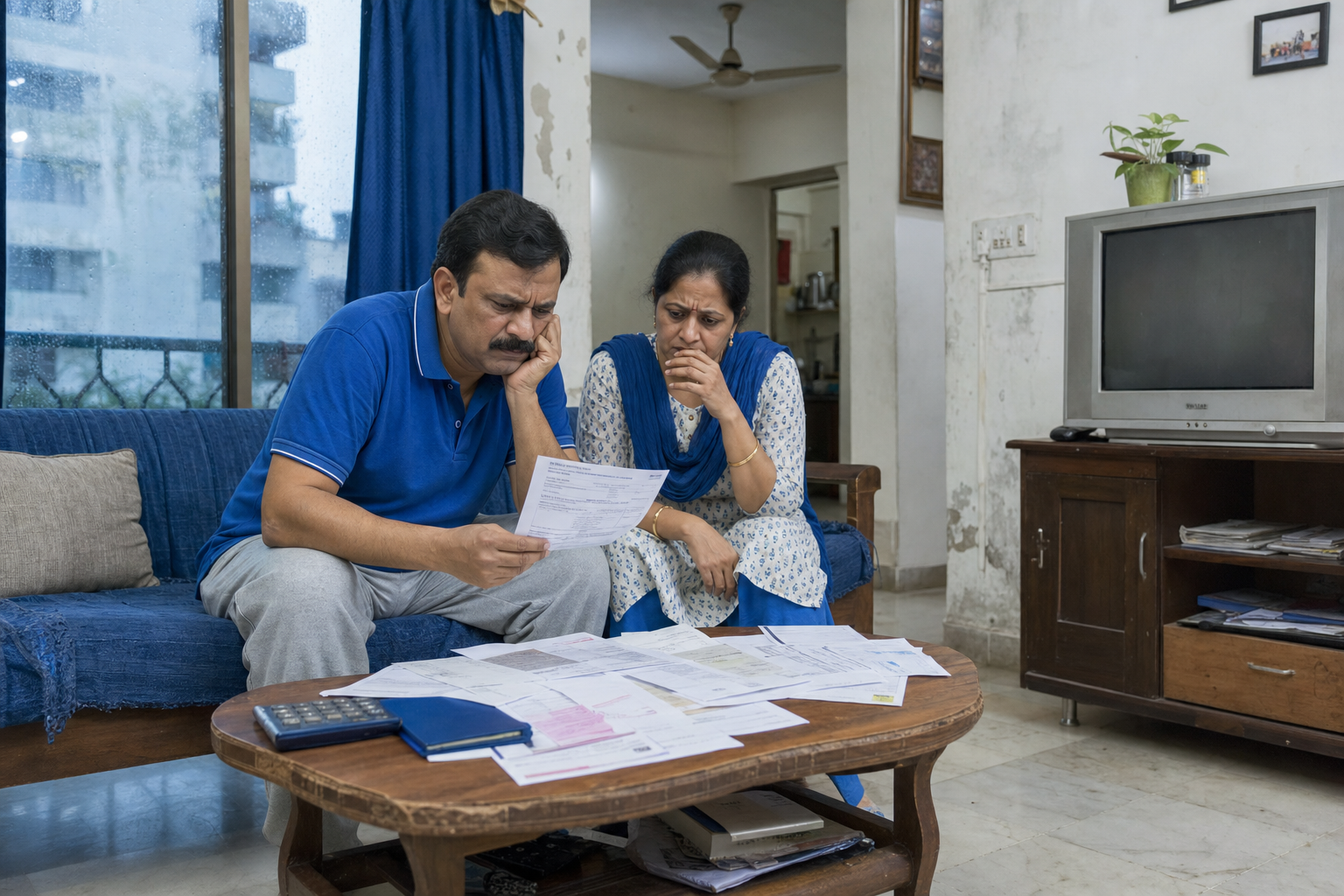
Managing a personal loan can be a challenging task for many borrowers. Financial difficulties, unexpected expenses, or multiple debts can lead you to miss an Equated Monthly Installment (EMI) payment. However, it’s crucial to understand that missing a single EMI is not the same as defaulting on your loan entirely. This article aims to clarify what happens when you miss an EMI and how you can take control before matters escalate.
Understanding the Initial Impact of a Missed EMI
Missing an EMI payment can be an unsettling experience, especially if you are already juggling various financial responsibilities. However, it is essential to acknowledge that a single missed payment does not immediately lead to legal action or severe penalties. Instead, it marks the beginning of an administrative process that can become more complex if not addressed promptly.
Initially, when you skip a payment, your loan account becomes overdue (classified as Special Mention Account or SMA-0 by lenders). At this stage, lenders typically send automated SMS reminders, emails, or phone notifications. It’s an immediate opportunity to rectify the oversight before it affects other aspects of your financial health, such as your credit score.
The impact on your credit score can vary depending on the lender’s reporting practices and the credit bureau’s update cycle. It’s wise to address the missed payment within 30 days to prevent an escalation to a formal credit report blemish.
The Overdue Account and Communication Process
If your account remains overdue past 30 days (SMA-1/SMA-2 classification), lenders will attempt to establish direct contact with you through phone calls and formal notices. Communication is the most critical step in resolving the issue early.
During this period, keeping an open line with your lender is vital. Avoiding calls or ignoring emails can lead lenders to presume willful default, severely limiting your options. Being proactive allows you to explain temporary cash-flow issues and explore flexible solutions, such as a temporary loan restructuring or EMI grace period.
Potential Charges and Fees
As your account remains overdue, additional charges begin to accumulate. These typically include:
- Late Payment Penalties: Fixed charges or percentage-based penal interest applied on the overdue EMI amount.
- NACH / Bounce Charges: Fees levied by banks when auto-debit (NACH) mandates fail due to insufficient balance.
Understanding these fees is crucial because they can add up rapidly. Contacting your lender promptly gives you a chance to request a waiver on penal charges, especially if it is your first missed payment and you possess a strong past repayment track record.
Impact on Your Credit Report
Your CIBIL or credit score is a direct reflection of your financial reliability. The timeline of delinquency impacts your credit profile as follows:
| Overdue Timeline | Account Status Classification | Impact on CIBIL Score & Credit Profile |
| :— | :— | :— |
| **1 to 30 Days Late** | Overdue / SMA-0 | Minor score drop (10–30 points) if reported; easily recoverable |
| **31 to 80 Days Late** | SMA-1 / SMA-2 | Significant score drop (50–100+ points); flagged in credit history |
| **90+ Days Late** | Non-Performing Asset (NPA) | Severe long-term damage; loan marked as “Defaulted” or “Written Off” |
Timely action before the 90-day mark prevents long-term structural damage to your credit report.
When Non-Payment Continues Beyond Initial Stages
If non-payment extends beyond 90 days, the loan account is formally classified as a Non-Performing Asset (NPA). At this stage, lenders initiate formal recovery procedures, which may include engaging authorized third-party recovery agents or issuing legal notices under Section 138 of the Negotiable Instruments Act (in case of bounced cheques/e-mandates).
It is essential to know your rights: as per Reserve Bank of India (RBI) guidelines, recovery agents must adhere to strict codes of conduct, including contacting you only during permissible hours (8:00 AM to 7:00 PM) and maintaining professional conduct without intimidation or harassment.
Legal Consequences and How to Avoid Them
Continued non-payment can lead to legal action, typically serving as a lender’s last resort to recover outstanding principal and interest through civil courts or arbitration.
To avoid reaching this critical point:
- Request a Loan Restructuring: Negotiate for an extended loan tenure to reduce monthly EMI amounts.
- Opt for Debt Consolidation: Merge multiple high-cost liabilities into a single, structured personal loan.
- Seek Credit Counseling: Engage with independent financial advisors to create a viable debt repayment schedule.
Tips to Manage Debt and Avoid Defaulting
- Stay Informed: Regularly check your loan statements and keep track of upcoming EMI due dates.
- Communicate Early: Inform your lender immediately if you foresee an upcoming financial disruption or temporary job loss.
- Use Digital Portals: Leverage mobile banking or dedicated loan portals like the Credit Saison App to automate e-mandates and clear dues online.
- Maintain an Emergency Buffer: Build a minimum 3-to-6-month EMI reserve to safeguard against sudden cash-flow shocks.
Why Choose Credit Saison India?
Choosing Credit Saison India provides distinct advantages during your financial journey:
- Empowerment Through Technology: Seamlessly track, manage, and repay your loans online via our secure digital platform.
- Transparent Policies: Clear communication, competitive interest rates, and transparent fee structures with zero hidden charges.
- Customer-Centric Support: Dedicated assistance to help you navigate financial hurdles responsibly.
Key Takeaways
- A single missed EMI does not equate to immediate loan default or legal action.
- Proactive, early communication with your lender within 30 days is vital to avoiding penal charges and severe CIBIL score damage.
- Utilizing loan restructuring, automated digital payments, and transparent financial planning prevents delinquency from escalating.
Conclusion: Navigate Loan Challenges with Confidence
Financial challenges can arise unexpectedly, but understanding the delinquency process enables you to respond strategically. By staying informed, communicating early, and leveraging modern digital tools, you can resolve payment delays effectively and protect your long-term financial health.
Explore Our Solutions:
- Manage Loan Repayments & Track Accounts on the Credit Saison App
- Check Personal Loan Eligibility with Credit Saison India
- Fuel Commercial Growth Safely with a Business Loan
Managing a personal loan can be a challenging task for many borrowers. Financial difficulties, unexpected expenses, or multiple debts can lead you to miss an Equated Monthly Installment (EMI) payment. However, it’s crucial to understand that missing a single EMI is not the same as defaulting on your loan entirely. This article aims to clarify what happens when you miss an EMI and how you can take control before matters escalate.
Missing an EMI payment can be an unsettling experience, especially if you are already juggling various financial responsibilities. However, it is essential to acknowledge that a single missed payment does not immediately lead to legal action or severe penalties. Instead, it marks the beginning of an administrative process that can become more complex if not addressed promptly.
Initially, when you skip a payment, your loan account becomes overdue (classified as Special Mention Account or SMA-0 by lenders). At this stage, lenders typically send automated SMS reminders, emails, or phone notifications. It’s an immediate opportunity to rectify the oversight before it affects other aspects of your financial health, such as your credit score.
The impact on your credit score can vary depending on the lender’s reporting practices and the credit bureau’s update cycle. It’s wise to address the missed payment within 30 days to prevent an escalation to a formal credit report blemish.
If your account remains overdue past 30 days (SMA-1/SMA-2 classification), lenders will attempt to establish direct contact with you through phone calls and formal notices. Communication is the most critical step in resolving the issue early.
During this period, keeping an open line with your lender is vital. Avoiding calls or ignoring emails can lead lenders to presume willful default, severely limiting your options. Being proactive allows you to explain temporary cash-flow issues and explore flexible solutions, such as a temporary loan restructuring or EMI grace period.
As your account remains overdue, additional charges begin to accumulate. These typically include:
- Late Payment Penalties: Fixed charges or percentage-based penal interest applied on the overdue EMI amount.
- NACH / Bounce Charges: Fees levied by banks when auto-debit (NACH) mandates fail due to insufficient balance.
Understanding these fees is crucial because they can add up rapidly. Contacting your lender promptly gives you a chance to request a waiver on penal charges, especially if it is your first missed payment and you possess a strong past repayment track record.
Your CIBIL or credit score is a direct reflection of your financial reliability. The timeline of delinquency impacts your credit profile as follows:
| Overdue Timeline | Account Status Classification | Impact on CIBIL Score & Credit Profile |
| :— | :— | :— |
| **1 to 30 Days Late** | Overdue / SMA-0 | Minor score drop (10–30 points) if reported; easily recoverable |
| **31 to 80 Days Late** | SMA-1 / SMA-2 | Significant score drop (50–100+ points); flagged in credit history |
| **90+ Days Late** | Non-Performing Asset (NPA) | Severe long-term damage; loan marked as “Defaulted” or “Written Off” |
Timely action before the 90-day mark prevents long-term structural damage to your credit report.
If non-payment extends beyond 90 days, the loan account is formally classified as a Non-Performing Asset (NPA). At this stage, lenders initiate formal recovery procedures, which may include engaging authorized third-party recovery agents or issuing legal notices under Section 138 of the Negotiable Instruments Act (in case of bounced cheques/e-mandates).
It is essential to know your rights: as per Reserve Bank of India (RBI) guidelines, recovery agents must adhere to strict codes of conduct, including contacting you only during permissible hours (8:00 AM to 7:00 PM) and maintaining professional conduct without intimidation or harassment.
Continued non-payment can lead to legal action, typically serving as a lender’s last resort to recover outstanding principal and interest through civil courts or arbitration.
To avoid reaching this critical point:
- Request a Loan Restructuring: Negotiate for an extended loan tenure to reduce monthly EMI amounts.
- Opt for Debt Consolidation: Merge multiple high-cost liabilities into a single, structured personal loan.
- Seek Credit Counseling: Engage with independent financial advisors to create a viable debt repayment schedule.
- Stay Informed: Regularly check your loan statements and keep track of upcoming EMI due dates.
- Communicate Early: Inform your lender immediately if you foresee an upcoming financial disruption or temporary job loss.
- Use Digital Portals: Leverage mobile banking or dedicated loan portals like the Credit Saison App to automate e-mandates and clear dues online.
- Maintain an Emergency Buffer: Build a minimum 3-to-6-month EMI reserve to safeguard against sudden cash-flow shocks.
Choosing Credit Saison India provides distinct advantages during your financial journey:
- Empowerment Through Technology: Seamlessly track, manage, and repay your loans online via our secure digital platform.
- Transparent Policies: Clear communication, competitive interest rates, and transparent fee structures with zero hidden charges.
- Customer-Centric Support: Dedicated assistance to help you navigate financial hurdles responsibly.
- A single missed EMI does not equate to immediate loan default or legal action.
- Proactive, early communication with your lender within 30 days is vital to avoiding penal charges and severe CIBIL score damage.
- Utilizing loan restructuring, automated digital payments, and transparent financial planning prevents delinquency from escalating.
Financial challenges can arise unexpectedly, but understanding the delinquency process enables you to respond strategically. By staying informed, communicating early, and leveraging modern digital tools, you can resolve payment delays effectively and protect your long-term financial health.
Explore Our Solutions:
- Manage Loan Repayments & Track Accounts on the Credit Saison App
- Check Personal Loan Eligibility with Credit Saison India
- Fuel Commercial Growth Safely with a Business Loan
Share On :
Popular Blogs

20th September, 2026
MSME Definition and Classification: What Size Business Qualifies for MSME Loan
Discover the MSME definition and classification to find if your business qualifies for an MSME loan. Learn about MSME eligibility and the differences between government and lender criteria.

14th September, 2026
Home Loan Processing Fees: An Essential Guide for Buyers
Discover what home loan processing fees cover, if they're refundable, and how they impact your loan. Trust Credit Saison India for clear upfront lending.
Share On :

Products
Download Credit Saison India App


Follow us on


Credit Saison India is the trade name of Kisetsu Saison Finance (India) Private Limited (CIN: U65999KA2018FTC113783), a non-banking finance company (NBFC) registered with the RBI.
Registered Office Address:
IndiQube Lexington Tower, First Floor, Tavarekere Main Rd, Tavarekere,
S.G. Palya, Bengaluru, Karnataka 560029
- Investors
- Partners
- Insurance Partners
- Collection Agency
- Regulatory
- CS Japan

- Saison International
- © Kisetsu Saison Finance (India) Private Limited 2026.
© Kisetsu Saison Finance (India) Private Limited 2026.